
King Mob Echoes
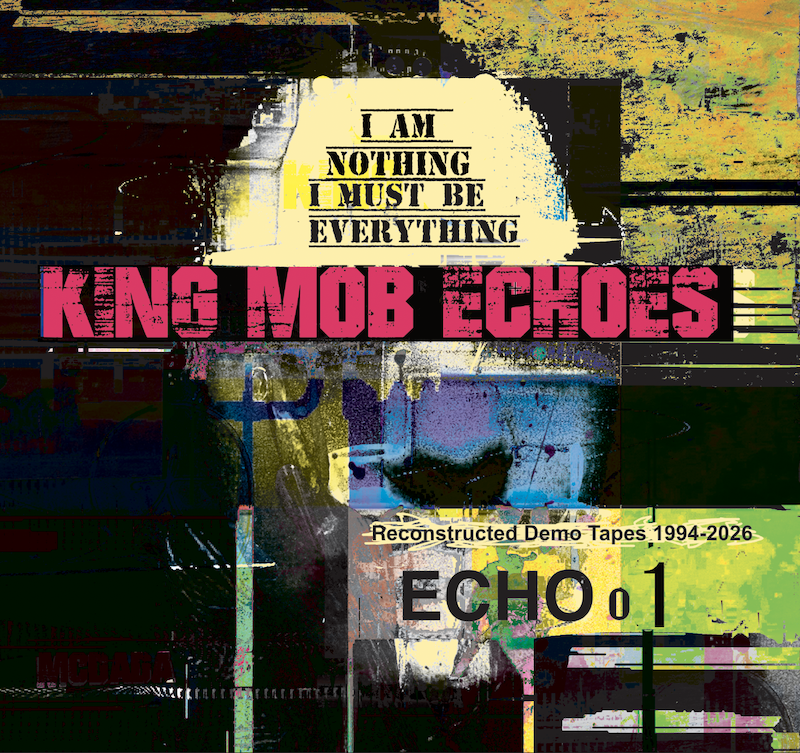
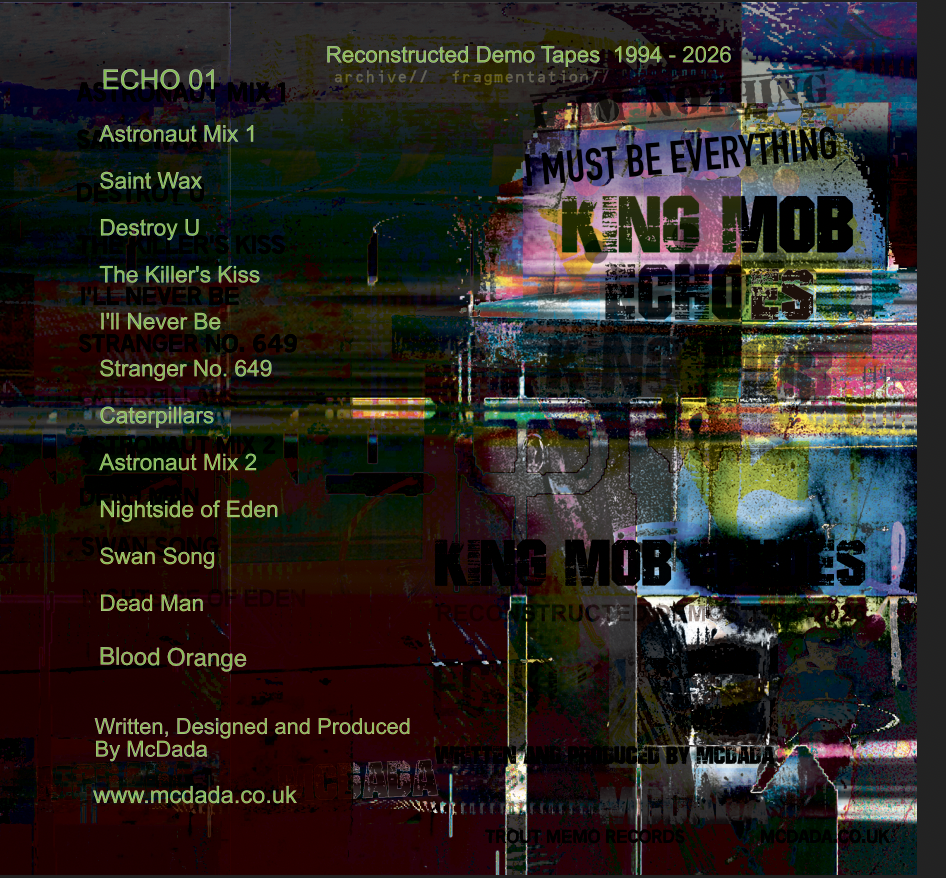
I am Nothing, I must be Everything.
King Mob Echoes is a distributed music project formed from fragments: old mini-disc recordings, unfinished songs, abandoned loops, solo jam rehearsals to backing tracks, cut-up lyrics, and archived selves.
These materials — once dormant — have been reactivated through AI systems, not as replacements for musicianship, but as collaborators in reconstruction. The album functions as a contained museum: a retrospective of unrealised groups, virtual singers, and genre experiments that never found institutional backing.
Rather than presenting a single authorial voice, King Mob Echoes operates as a one-person collective expanded through machine mediation. The “band” is composed of past identities, algorithmic interpretations, and the persistent thread of guitar, collage, and surrealist text.
The project proposes AI as a post-punk tool. Where punk insisted that anyone could form a band with four chords and no permission, contemporary digital systems extend that logic — dissolving traditional studio hierarchies and destabilising fixed authorship. Access replaces gatekeeping. Process replaces polish.
Across shifting genres — from distorted electronics to ghosted folk and fractured pop structures — the album refuses cohesion as a marketing strategy. Instead, it embraces multiplicity as autobiography.
The title invokes collective action not as nostalgia, but as structure: a gathering of creative residues, technological voices, and unresolved experiments.
“I am nothing, but I must be everything.”
In an era where creation no longer depends on access to institutions, King Mob Echoes asks what it means to assemble oneself from fragments — and whether authorship can remain singular in a distributed age.
KING MOB ECHOES MANIFESTO:
King Mob Echoes isn’t nostalgia for rebellion.
It’s a reminder that access changes authorship.
The title “King Mob Echoes” is a nod to the 1960s London group King Mob, whose blend of Situationism, Neo-Dada gestures, and cultural disruption treated art as an intervention rather than a product. My work shares their interest in détournement — cut-ups, collage, misdirection, and repurposed material. “Echoes” signals distance as much as influence: this is not revivalism, but transmission. Fragments of past recordings, abandoned bands and archival debris are rerouted through contemporary tools, including AI, to produce new distortions. Where King Mob disrupted spectacle in the street, King Mob Echoes disrupts authorship in the networked age. The methods remain — appropriation, chance, collective identity — but the machinery has changed.
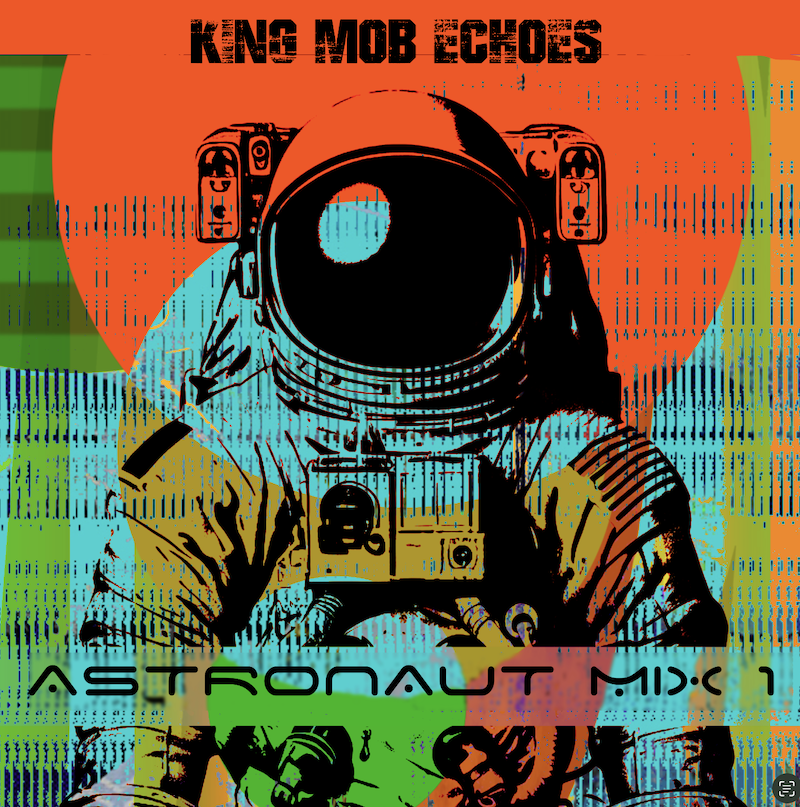
ASTRONAUT MIX 1
Instrumental.
I had a collection of old guitars and synth loops, so I edited them together in Logic Pro and imported them to the AI Suno app, which compressed the sound to make it heavier and grungier. I then downloaded it and played it endlessly. I was hearing all sorts of sound ideas, then imported the track into Logic and worked on weaving in the textures.
I wanted it to be a hundred miles an hour- like the coda in Kubrick’s 2001: A Space Odyssey.
The fascination with the Astronaut is from a later film called The Ninth Configuration, written and directed by the novelist William Peter Blatty of The Exorcist fame, which centres around an Astronaut who backed out of going to the Moon.
It’s a beautiful essay on the origins of life and how humans strive to explore, which has definite parallels with Space Odyssey. Single release: 8th March.
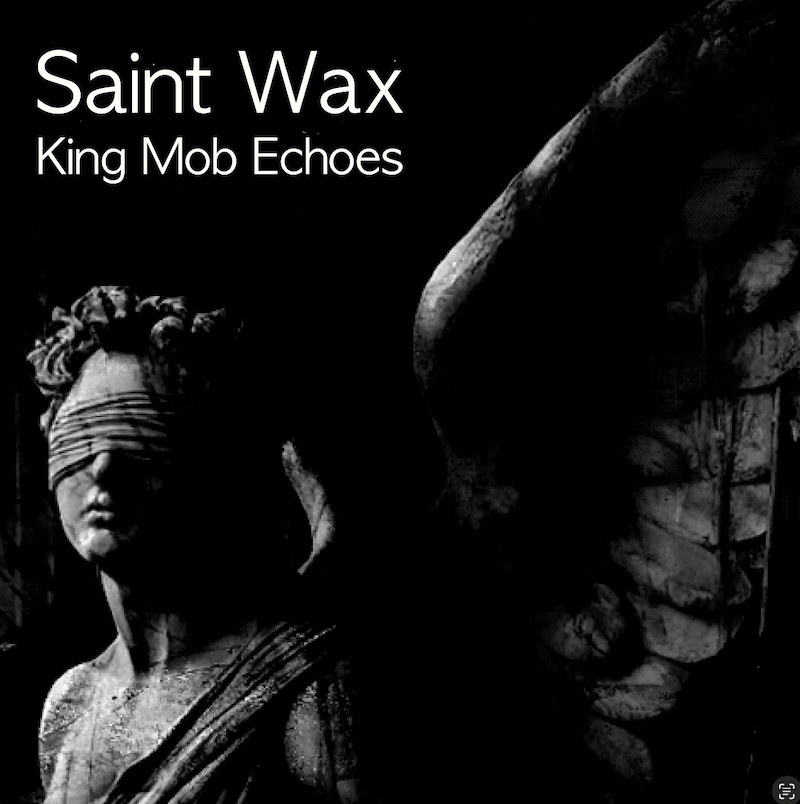
SAINT WAX
A song I re-recorded on my own, keeping it raw and spontaneous, with a blues progression. It’s partly based on the Icarus myth, but within this context, when you’re “riding high in April, and you get cut down in May.”
Very much inspired by the quasi-biblical vocabulary of Nick Cave and the Beat speak of Tom Waits. I then fed it into an AI app, and it tightened the percussion. I downloaded it and added more guitars, but left the AI vocals. I might sing on this as I did on the original, but it sounds really good as it is.
Single release March 11th.
LYRICS
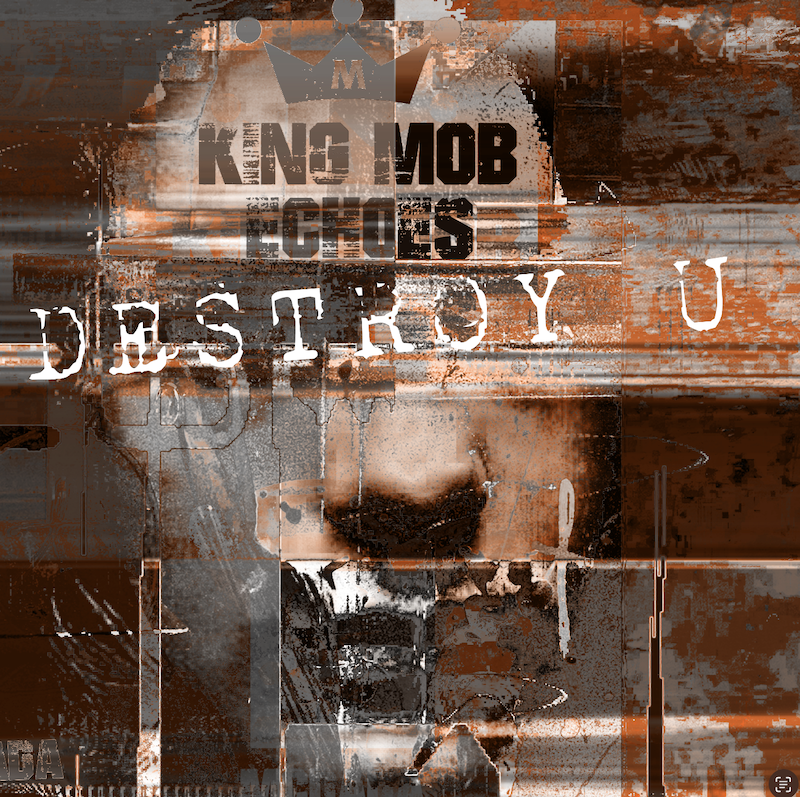
DESTROY U
This song began as a jaunty blues riff in the band Tel Quel, known as Junk. After joining The Monumental Gurus, I renamed it Strawberry, inspired by the scene in Manhunter where the serial killer seeks transcendence. I’ve always wanted this to be a Rap song, you know, like half-spoken. The AI app echoed the guitar riff and emphasised the bassline. I edited two versions of the AI cover and added a choir at the end, a subversive play on religious music and pop songs; the idea that a gospel choir sings about vengeance and “destroying you” gives it a killer hit.
Single release: March 11th.
LYRICS
THE KILLER’S KISS
An old Guru song I wrote. I wanted it to be a fast, quirky goth punk song with a vintage Pistols sound. I recorded it in Logic with a drum machine and grungey bass. The song is a love letter to an assassin. I kept the AI vocals, although I know I could do a decent job, as I used to sing this live. There’s something weirdly surprising when another voice sings your songs.
The solo is an exact copy, but it splits it into three parts with different textures, which I really like. I added a guitar gliss, textures and another distorted guitar for a wider sound.
LYRICS
I’LL NEVER BE (WHAT YOU WANT ME TO BE)
Primarily an instrumental, but I always thought it needed lyrics. I searched through my old notebooks, Word documents, forgotten scribbles and found a few poems that weren’t included in my Trout Memo books. I linked the words together from the separate text. The tone seemed to express two people at odds with each other; you see one thing, I see it differently. Like the old saying, “you can never walk in my shoes.”
LYRICS
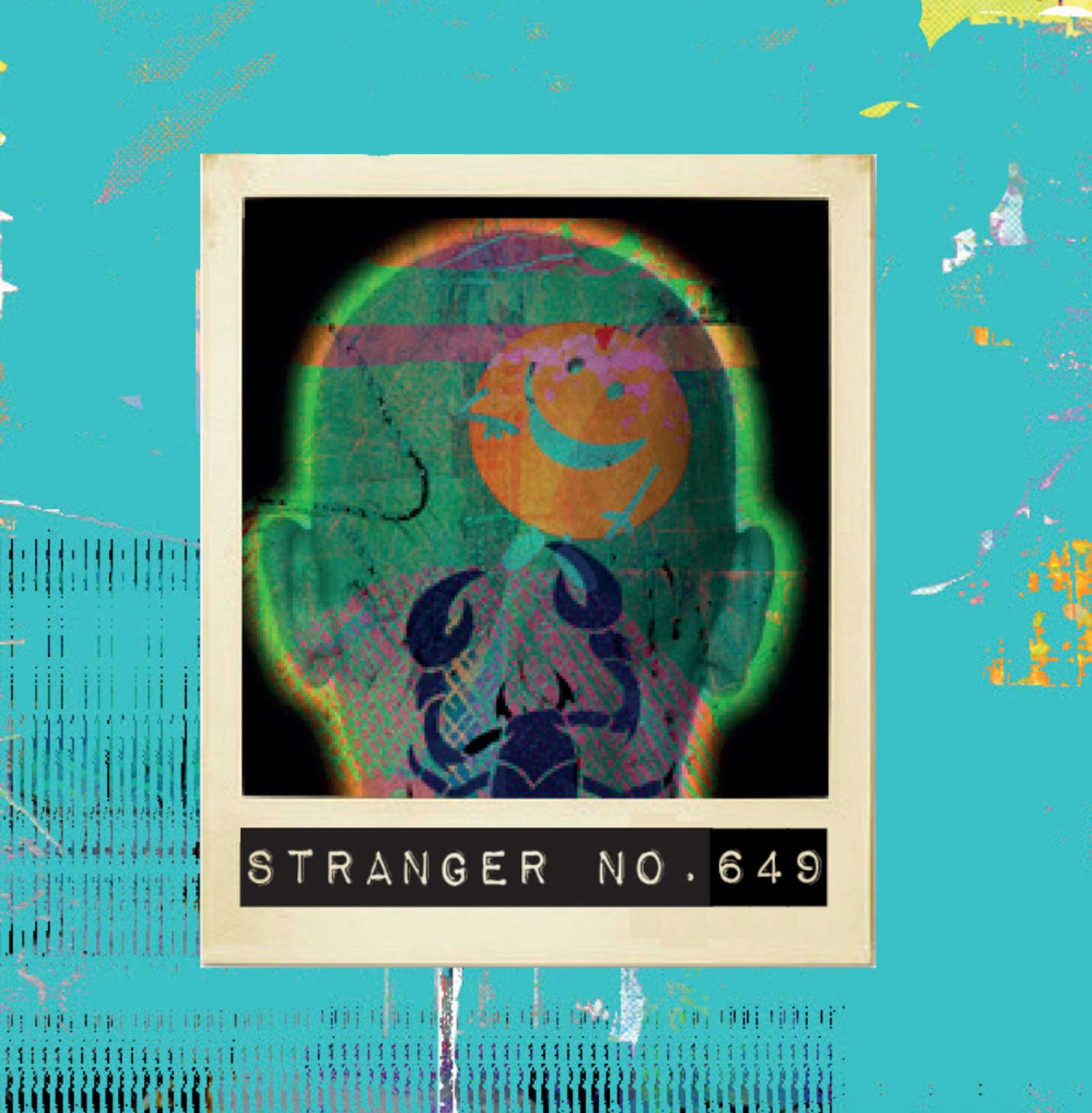
STRANGER No. 649
True story. I was passing by a Spoons in Sunderland when I came across a group of people outside smoking, all dressed in black, part of a Wake going on inside. This guy made a beeline for me and told me his life story. It was one of those crisp autumn days when the sun was low, casting long shadows on the streets.
After the encounter, I immediately jumped into a cafe and scribbled down my impressions.
The track is again a forgotten loop, but it wasn’t working the length of the song, so I used another loop, pasted it in for the chorus and sub-chorus. I think it works as a Spoken Word piece, although there is a part where it’s too verbose for the pace of the song. The AI app seemed to struggle with the timing, but it managed to squeeze the lyrics into the beat.
POEM
CATERPILLARS
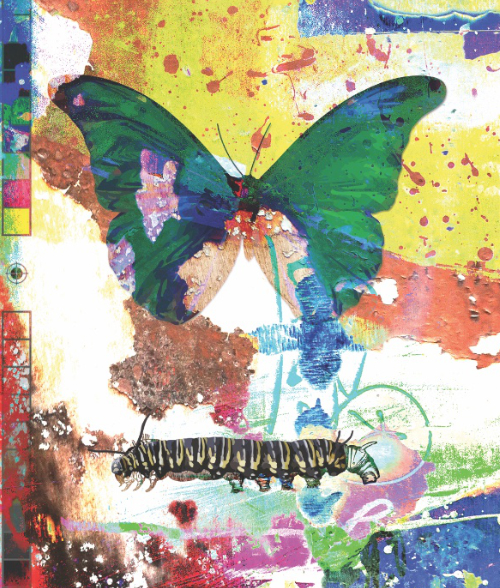
I wrote the poem for my Trout Memo 1 publication, available on Amazon. A dream diary extract and the title reminds me of when Toyah Wilcox was asked about her debut EP, Sheep Farming in Barnet, “because it sounds surreal” So here is my contribution to absurd titles – Caterpillars in Monserrat.
The original demo was just a 3-minute loop; the app, through prompting, changed the guitar into a synth with stabs. The AI voice really makes this. I used [ ] and ( ) for instructions on breaks and lowering voice, etc. The image is from one of my Art Stop designs, a project I curated, featuring artworks on bus stop panels.
POEM
ASTRONAUT MIX 2
Instrumental
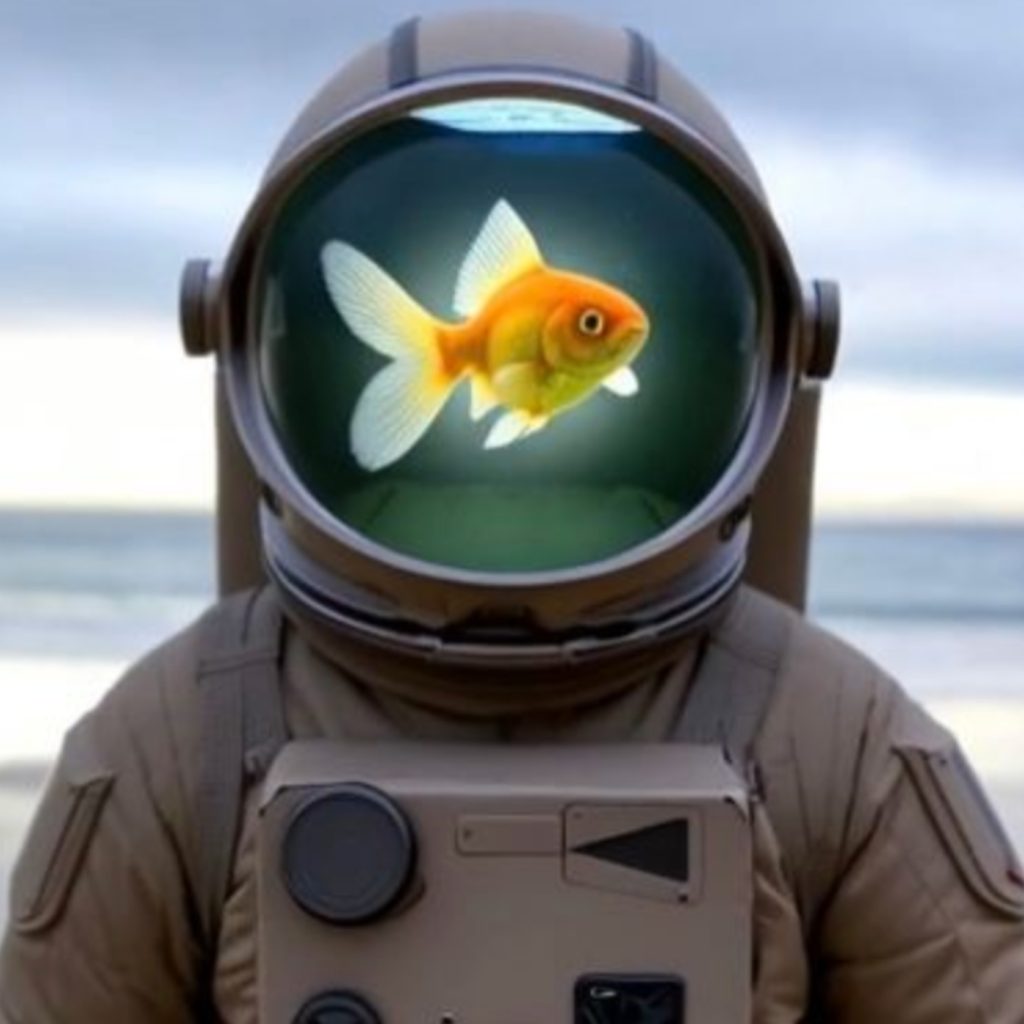
Again, like Astronaut Mix 1, I wanted this to be a hundred miles an hour. I remember watching The Prodigy at Glastonbury last summer, who were awesome, almost Godlike audio collagists. So with this track, I added to it bit by bit, working on it like a brick of sound at a time.
This is the first time in a while I have used a wah-wah; it lends itself to a fizzy, bubbly sound and adds a great texture track.
The image is from a series of Astronaut images exploring the Ninth Configuration film.
NIGHTSIDE OF EDEN
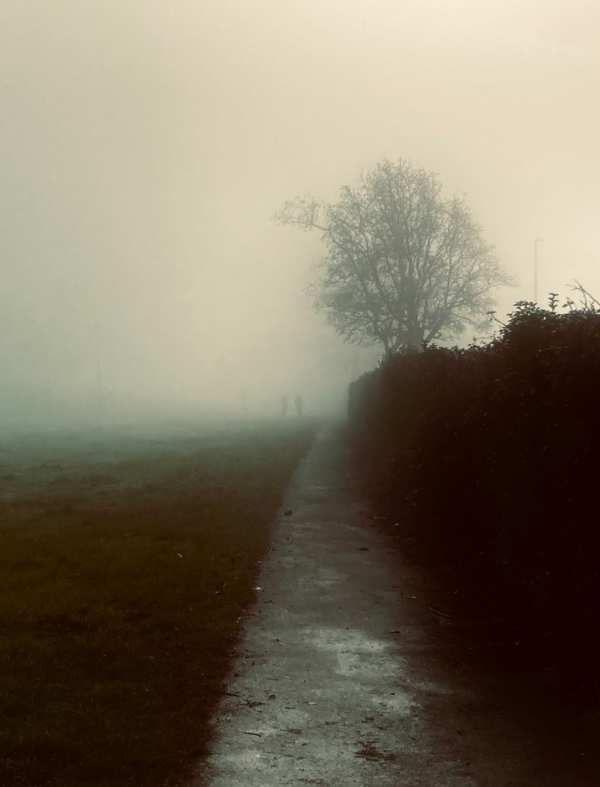
I recorded a strange abstract sound poem called “X” with ghostly voices and field recordings of a funfair from years ago. I was going to use it in my psych-noir film Helter Skelter, but it didn’t make the cut. Out of curiosity, I uploaded the track to the app at 80% audio influence, and the app contains all the original content of the recording. I copied and pasted another poem from Trout Memo, added a few lines, chose a “male” voice, creating a dark chocolate Burton voice; it fits the mood perfectly.
Part 2 consists of a track called Phrenology, which I released last year on an EP called Animal Instincts. The beat and synths make up the rhythm of the track. I added surf guitar and choice words taken from the poem. I’ve added distortion and gliss textures, and near the end, I added another guitar to beef up the coda.
POEM
`
SWAN SONG
Instrumental
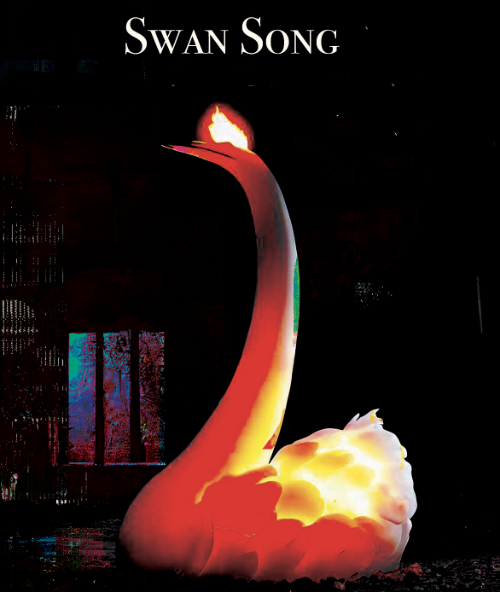
I was attending grief counselling, and she said I should draw, write, compose and express my grief, and develop a channel for it. I do draw, write and compose, but it wasn’t coming; I didn’t want to face it. One day, I picked up the guitar and just played a set of minor chords over and over. It really worked, I imagined a rainy day organ underneath and a tremolo guitar. I recorded it, and the AI app added Trip Hop drums, and it was complete, at least I thought it was. It needed something more sombre, so I prompted the app to change my guitar lead to a violin, and then it was complete.
I might add lyrics in another version, but as it is, it’s melancholic and flows really well.
DEAD MAN
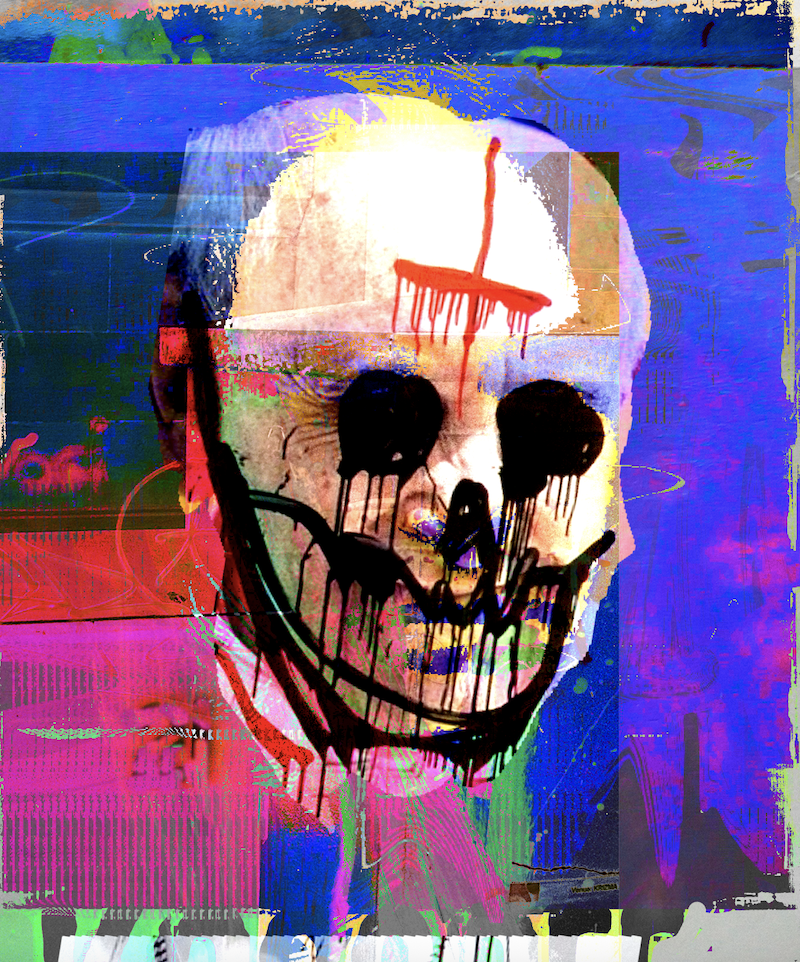
I recorded this on an old analogue four-track. crazy, minimal with a pendulous drum track, backing guitar and deep bass. I improvised the words as I had no idea what I was going to sing about when I pressed record. I just winged it; the only image I had in my mind was of a B-movie gangster on the run, but the twist is he doesn’t know he’s dead. He’s trying to make his way to Mexico for Day of the Dead, but madness envelopes him. I distorted my vocals as though they were transmitted through a cheap radio set. After uploading the original demo, the app turned it into a Seattle-style 90s anthem. I like the idea of the vocals filling in with “AHHHs” because originally, I had minimal lyrics, and it works.
LYRICS
BLOOD ORANGE
I wanted the last song to be psychedelic, a bit heavy, although nowadays everyone listens in a non-linear way. If you are an old-fashioned type like me, and you’ve listened to the tracks as they are listed, then you’ll get my meaning.
So I used one of my recent EP tracks called Returnity, a slow atmospheric burner, the app picked up on the melody and bassline and after 4 covers created this mental metal track. I stripped it down and added my own guitars, it has a 70’s Zeppelin feel, I think, with a prominent riff and then falls to pieces – the latter being my trademark…
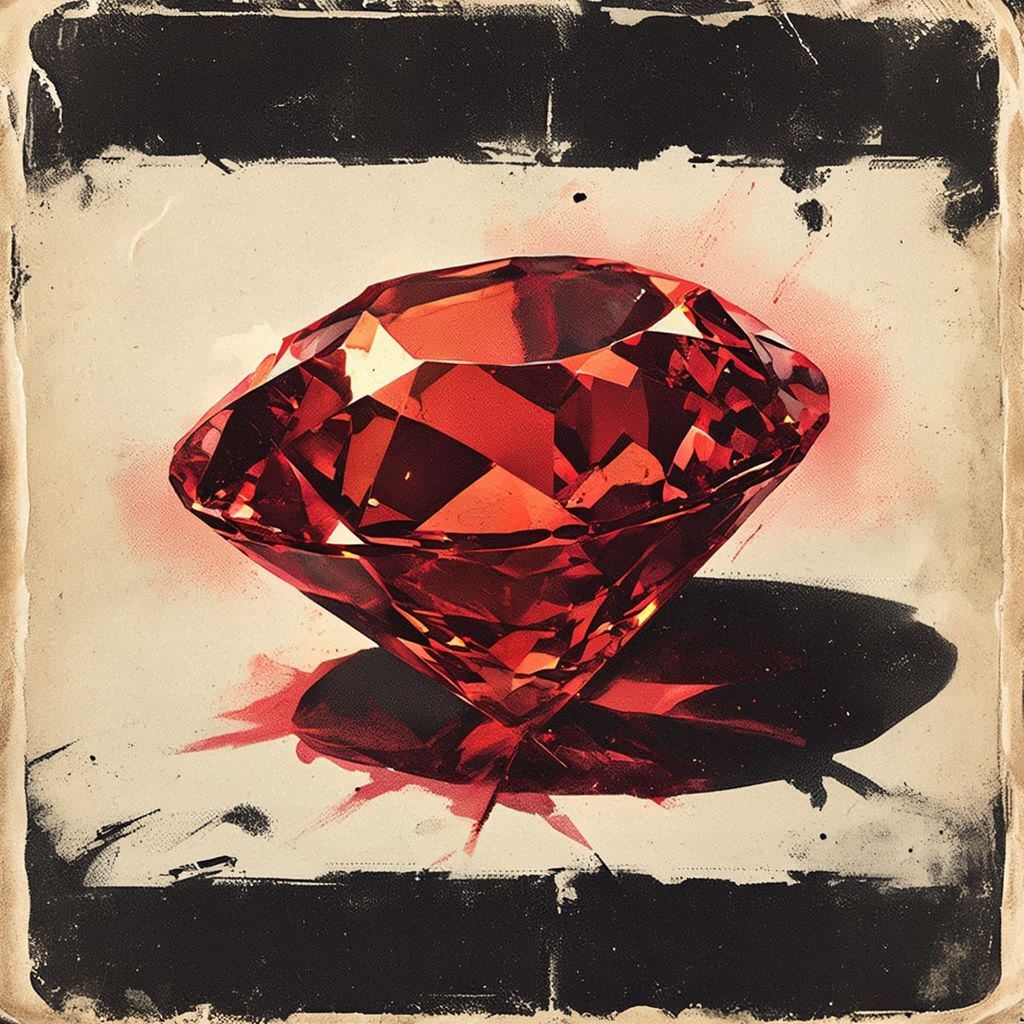
Blood Orange is a screenplay I am working on, about a diamond heist and a pulp writer visiting the North East to write a book about it. The project is about multiplicity.